
Reflections From Teviot Valley: Behind the scenes of the Foundation
Kayla Sargeant, our Head of Foundation Marketing & Engagement, reflects on her recent visit to Teviot Valley.
Last month, I had the privilege of speaking at the Teviot Valley Town & Country Dinner Club, a room full of people who carry the history, heart, and grit of this region. For me, community events like this are where the real truth of rural life sits: shared stories, honest questions, and the kind of conversations that remind me why this mahi matters so deeply.
I walked in expecting to give a presentation. Instead, I walked out feeling incredibly connected and incredibly reassured that our work at the Dunstan Hospital Foundation is not only needed, but genuinely wanted.
Sharing My Story — And Hearing Theirs
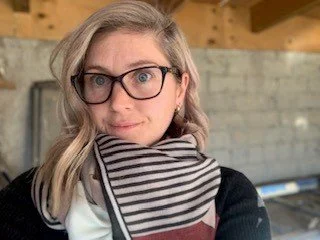
Kayla Sargeant, our Head of Foundation Marketing & Engagement
I opened the evening with the story of where I began in the back of an ambulance somewhere between Dunstan and Kew, in the middle of a winter storm. I spoke about my military background, my degree in emergency medicine, my years working in rural ambulance services, and how that journey eventually brought me home to Central Otago.
For many in the room, it wasn’t just a story; it was familiar terrain. They understood rural life not as an aesthetic, but as a commitment to land, to neighbors, to legacy.
And as I shared why the Dunstan Hospital Foundation exists to strengthen rural healthcare, to protect access, to keep services close heads nodded around the room.
There’s something grounding about speaking to people who get it.
Navigating the Tough Questions — The Ones That Matter Most
One of the things I value most about gatherings like this is that people don’t sugarcoat their concerns. They ask the questions they’re genuinely living with.
Several themes emerged, the biggest ones being:
“Why does everything seem to go to Dunedin instead of Dunstan?”
“Are we being forgotten?”
“How do we know Dunstan will still be here for us?”
These weren’t criticisms, they were fears. Deep, generational fears from communities who have, for 150 years, built this region from the ground up, families whose ancestors literally shaped Otago during the gold rush, who helped put this part of New Zealand on the map.
I felt the weight of those questions. But I also felt prepared to answer them.
I spoke about the Foundation’s role in protecting rural care. About government funding covering the basics, not innovation, not growth, not what our region actually needs. About how our communities have the power to shape the future of Dunstan now, before decisions are made for us.
Caroline later told me:
“You aced your presentation last night… I made a mental note of how you re-framed some of the questions and gave good, to-the-point answers.”
Her words meant a lot, because reframing wasn’t about spin. It was about returning the conversation to our power as a community, not our fear.
Feedback That Humbled Me
After I finished, several people came up to share their thoughts, including emails today that genuinely made my heart swell.
From John: “Just a note to thank you for your very good presentation… Families who have been here 150 years deserved the reassurance you gave them.”
He’d picked up on something important.
There were moments where comments about Central Otago being “small,” “far away,” or “not the centre of the universe” drifted into the conversation and they landed with a thud.
But each time, I could feel the room shift back when I brought the focus to what truly matters:
that rural communities are not an afterthought, they’re the backbone.
John wrote: “Best wishes to you, George and your children.”
A simple line, but one that speaks to community at its best: people who see the whole person standing in front of them.
Did I Give Reassurance? I Think… Yes.
There was a moment, near the end, when someone said:
“We just want to know Dunstan will be here when we need it.”
And I felt myself speak not from notes, but from truth.
I said that rural hospitals survive when communities decide they matter.That Dunstan has a future, but not by accident.
By effort.
By people.
By us.
And the room softened. People exhaled. You could feel the shift, relief, maybe. Or trust. Or simply the sense that someone was finally putting their concerns into words and then lifting them into hope.
Walking Away With Gratitude
I left feeling proud not of the presentation, but of the community sitting around the tables.
People who care deeply.
People who want answers.
People who have given generations to this region and want to know their healthcare won’t slip quietly away to Dunedin.
Last month reaffirmed something for me:
The Dunstan Hospital Foundation isn’t just about funding equipment. It’s about safeguarding identity, belonging, and dignity for rural people.
And if I helped reassure even a handful of people that their hospital matters, that they matter, then it wasn’t just a good night. It was exactly why I do this work.