
Dunstan Hospital Reveals $250k High-Impact Needs List
The Dunstan Hospital Foundation has unveiled a $250,000 list of priority equipment and facility upgrades needed to strengthen healthcare services across Central Otago, the Upper Clutha and Teviot Valley and is inviting the community to help make them possible.
The newly released Dunstan Hospital High-impact Needs list highlights several urgent improvements identified by the hospital’s clinical team, including chemotherapy treatment chairs, a specialised respiratory support device, and upgrades to infection control facilities.
Together, the projects represent approximately $250,000 in equipment and improvements that will directly enhance patient care at the hospital.
The initiative forms part of the Foundation’s new Grateful Patient Programme, which offers patients, families and community members a way to give back to the hospital that has cared for them.
At the heart of the programme is the story of Dorothy Pittaway, whose generosity helped fund the renovation of Vincent Ward at Dunstan Hospital.
Dorothy’s family made the gift in gratitude for the care she received at the hospital a legacy that continues to benefit patients and welcome them daily.
“Dorothy cared deeply about this community,” says Foundation Chair - Warwick Deuchrass.
“Supporting Dunstan Hospital was her way of saying thank you for the care she received. Her gift helped transform Vincent Ward, and we hope her story inspires others who feel that same gratitude.”
The new wishlist builds on that legacy by identifying equipment and improvements that will directly support patient care.
The initiative has also received support from Dunstan Hospital Foundation patron, actor Sir Sam Neill, who says the hospital plays an essential role in the region.
Dunstan Hospital plays a vital role in caring for people across this region. Supporting the hospital means supporting our friends, our families and our community. I’m proud to be a patron of the Dunstan Hospital Foundation and to encourage people to get behind this initiative.”
Among the hospital’s immediate priorities are:
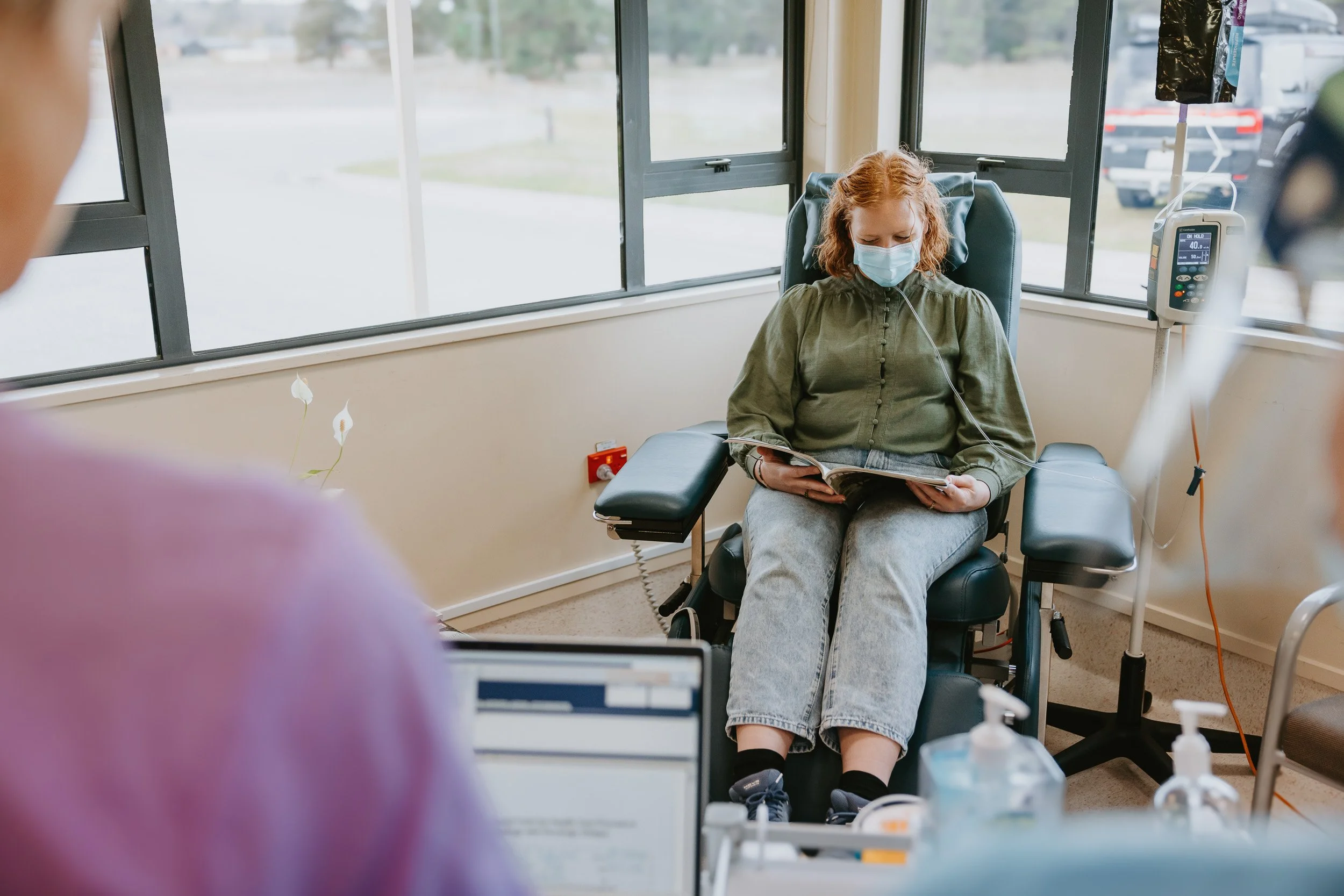
Chemotherapy Treatment Chairs
New chemotherapy chairs will improve comfort and safety for patients receiving treatment locally.
“We have been very fortunate to have replaced 4 chemotherapy chairs in the last couple of years from a generous donation and are now needing some more. Our patients love the additional comfort and functionality of these chairs that make treatment easier to manage. The staff are able to access the patient more easily and work with them in a more functional way, supporting good ergonomic safety for our team” says Cath Haig - People and Specialist Services Director
Cough Assist Machine
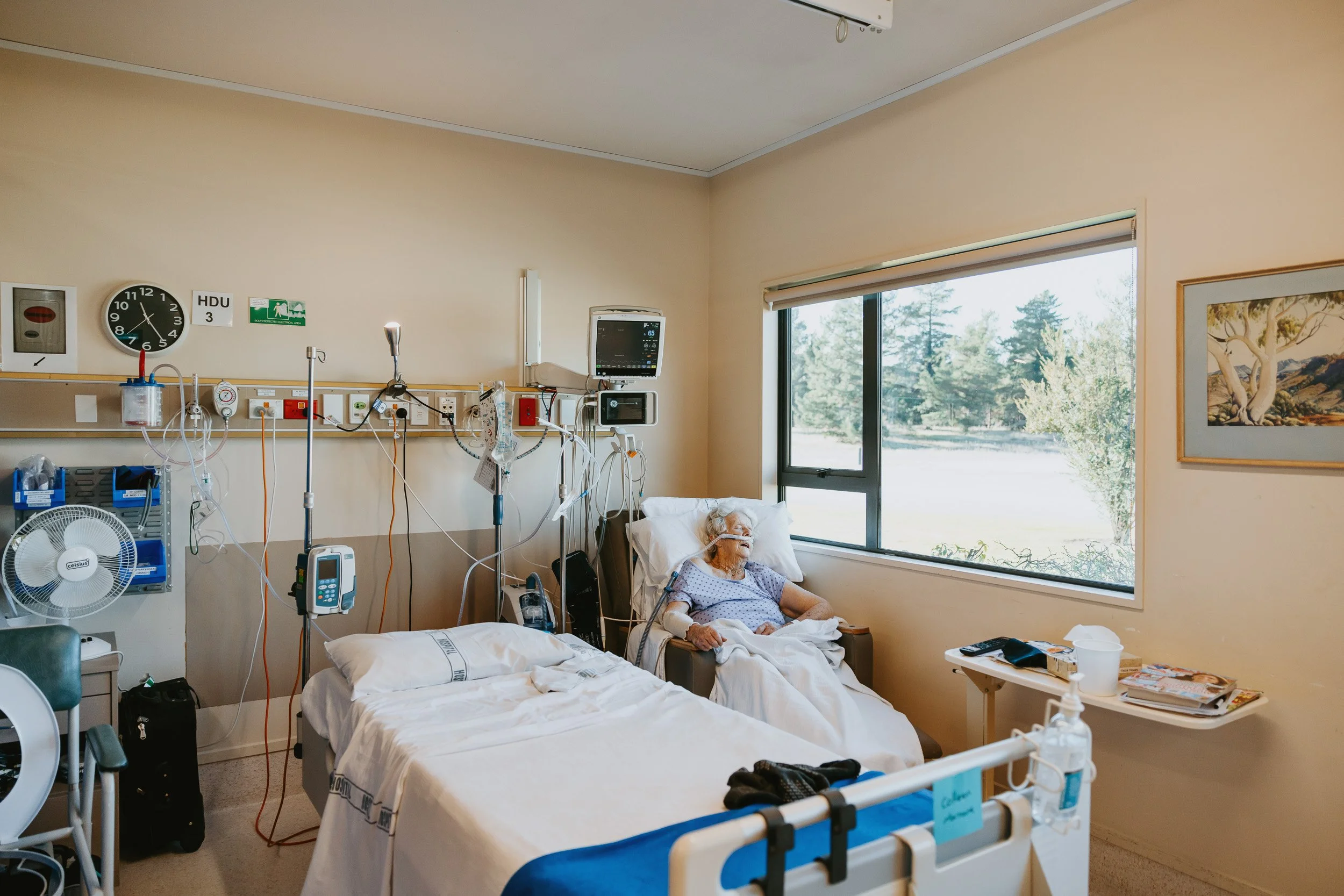
A specialised respiratory device that helps patients with weakened breathing muscles clear mucus from their lungs, reducing the risk of infection and hospitalisation.
“We’ve been very grateful for the cough assist machines donated by community members. These machines have been vital in helping many people with long‑term neurological and respiratory conditions stay well at home. They are also used by our physiotherapy team on Vincent Ward to assist people in their recovery from illnesses. These older machines are now no longer supported and in need of replacement, the modern technology would make a significant difference for our rural community. Updated cough assist devices are essential for keeping people healthier, reducing hospital admissions, and supporting a better quality of life.” - says Sarah Walker - Allied Health Director
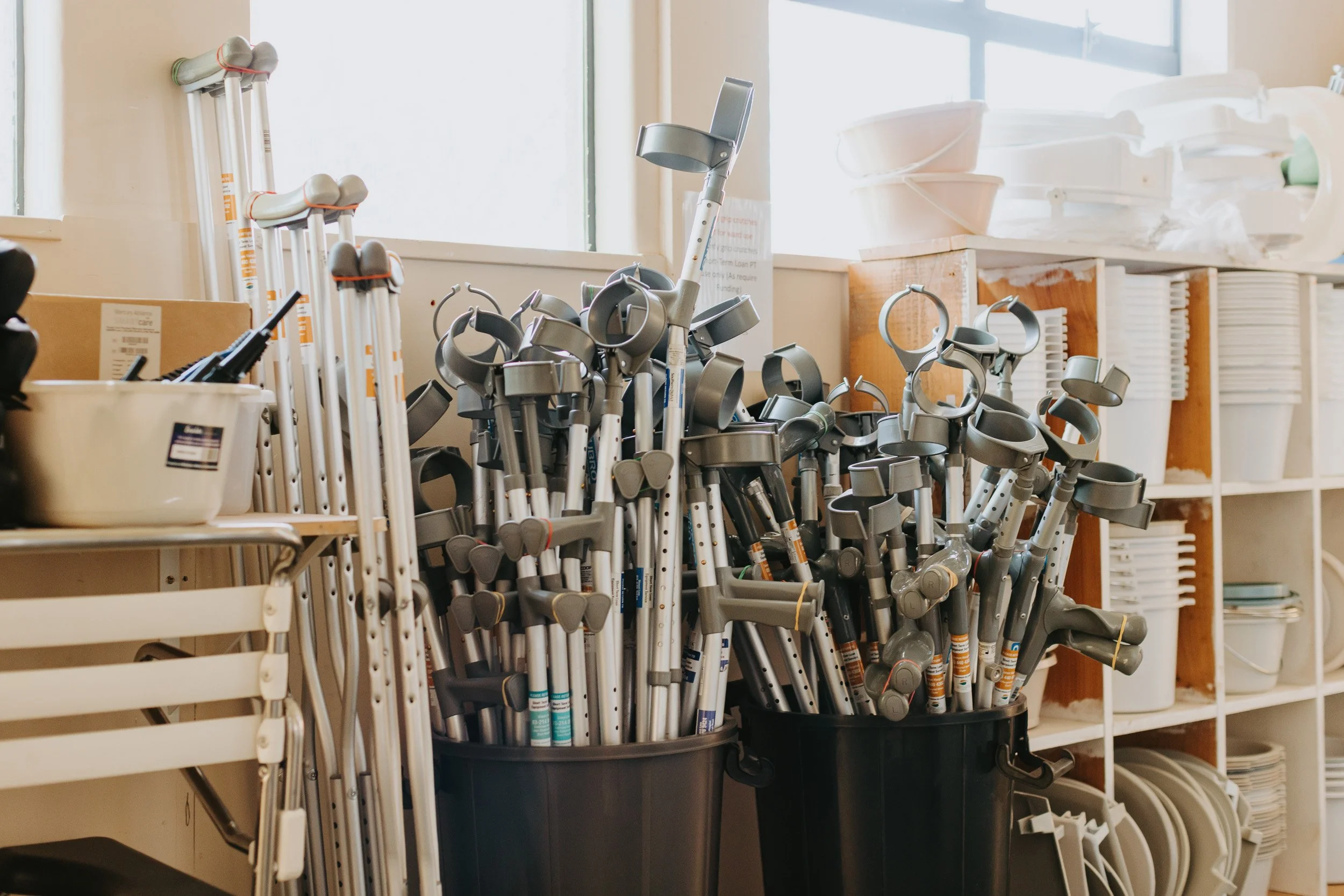
Allied Health Equipment Hub
A dedicated storage facility for physiotherapy and rehabilitation equipment will free up valuable clinical space and improve access to equipment used in patient recovery.
“A dedicated storage facility for our physiotherapy and occupational therapy equipment would make a huge difference for our community. With a more innovative storage solution, we can improve organisation and access to rehabilitation equipment, ensuring people receive the support they need without delay. This will not only improve the way we manage equipment for patients recovering at home and in the hospital, but also free up essential clinical space allowing us to create more treatment rooms and work areas for staff. Ultimately, this means better access, better flow, and better outcomes for the people we serve.” - says Sarah Walker - Allied Health Director
Outpatients Infection Control Upgrade
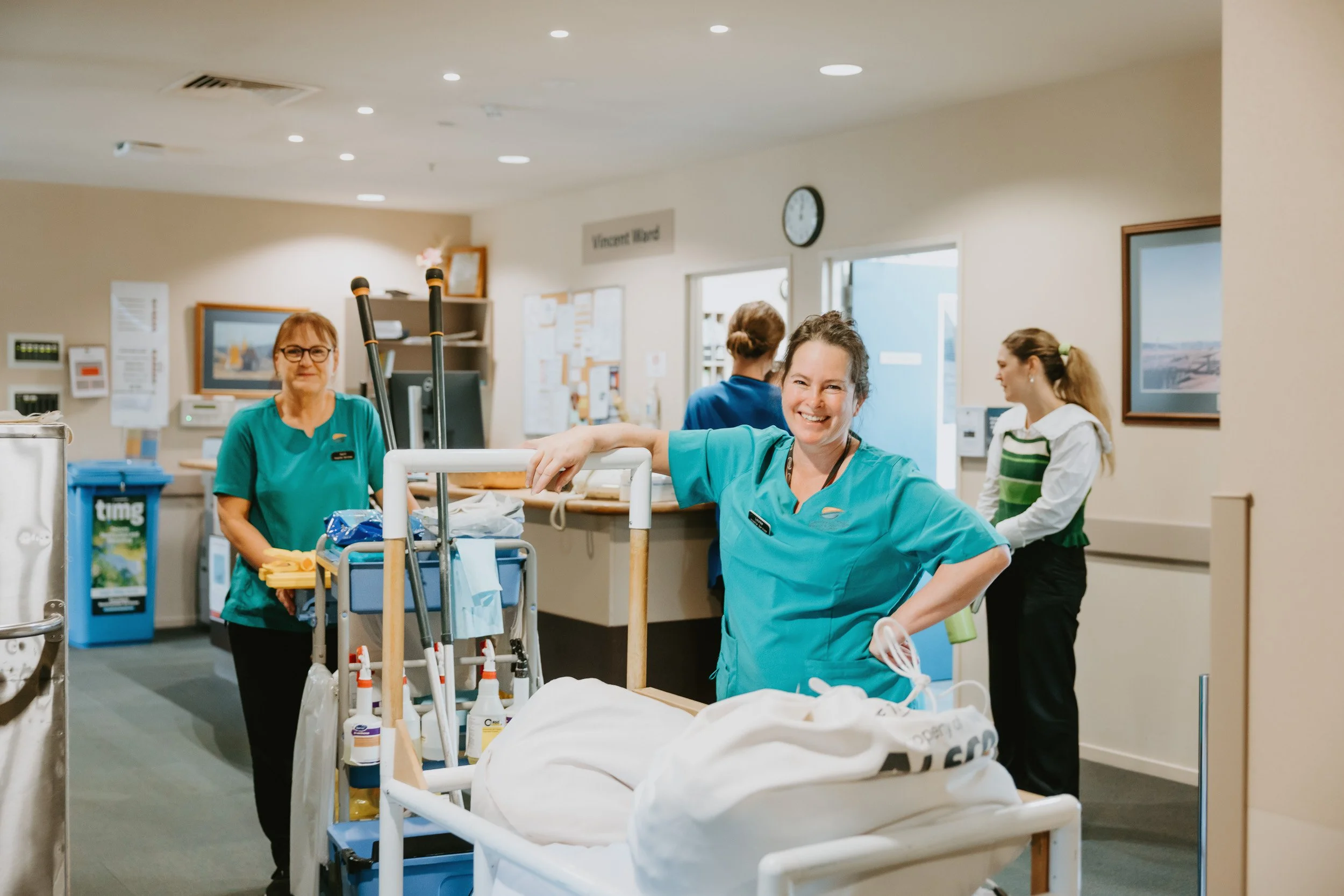
Improvements to the hospital’s equipment cleaning area will enhance infection control and ensure equipment used in patient care meets modern hygiene standards.
“We have worked closely with Health New Zealand over the past year to increase our colonoscopy service at Dunstan Hospital. This means more people are able to access this procedure closer to home. We have been making a number of improvements to the cleaning area we use for colonoscopies and other procedures we do in Outpatients. We are now wanting to upgrade further with some structural work on the facility to improve the workflow and infection control processes” - Cath Haig, People and Specialist Services Director
Foundation representatives say the high-impact needs list was developed after community members asked what the hospital needs most during last years roadshows across the region.
“We heard the same question again and again — what does Dunstan Hospital need most?,” says Foundation Manager, Kayla Sargeant..
“This list is our answer. These are practical improvements that will strengthen care for patients across our region.”
Community members can support the initiative by donating towards one of the wishlist fund or becoming a regular supporter of the Dunstan Hospital Foundation.
“Dunstan Hospital is a vital part of life in Central Otago,” says Hayley Anderson, Chief Executive for Central Otago Health Services. "The funding we receive from Health NZ does not allow us to purchase all the equipment or fund all the facility upgrades we need. The entire Dunstan team appreciates the support our community gives us to bridge this gap.”
The Foundation hopes the initiative will continue the legacy of generosity demonstrated by donors like Dorothy Pittaway.
“Together, our community can strengthen care at Dunstan Hospital.”