
High‑Impact Needs 2026: Together, We Can Strengthen Care Close to Home
Our Clinical teams have identified several priority items that will directly support patient care right now including:
Cough Assist Machines (CAMs) which are keeping people well at home, reducing hospital admissions, and supporting dignity and comfort
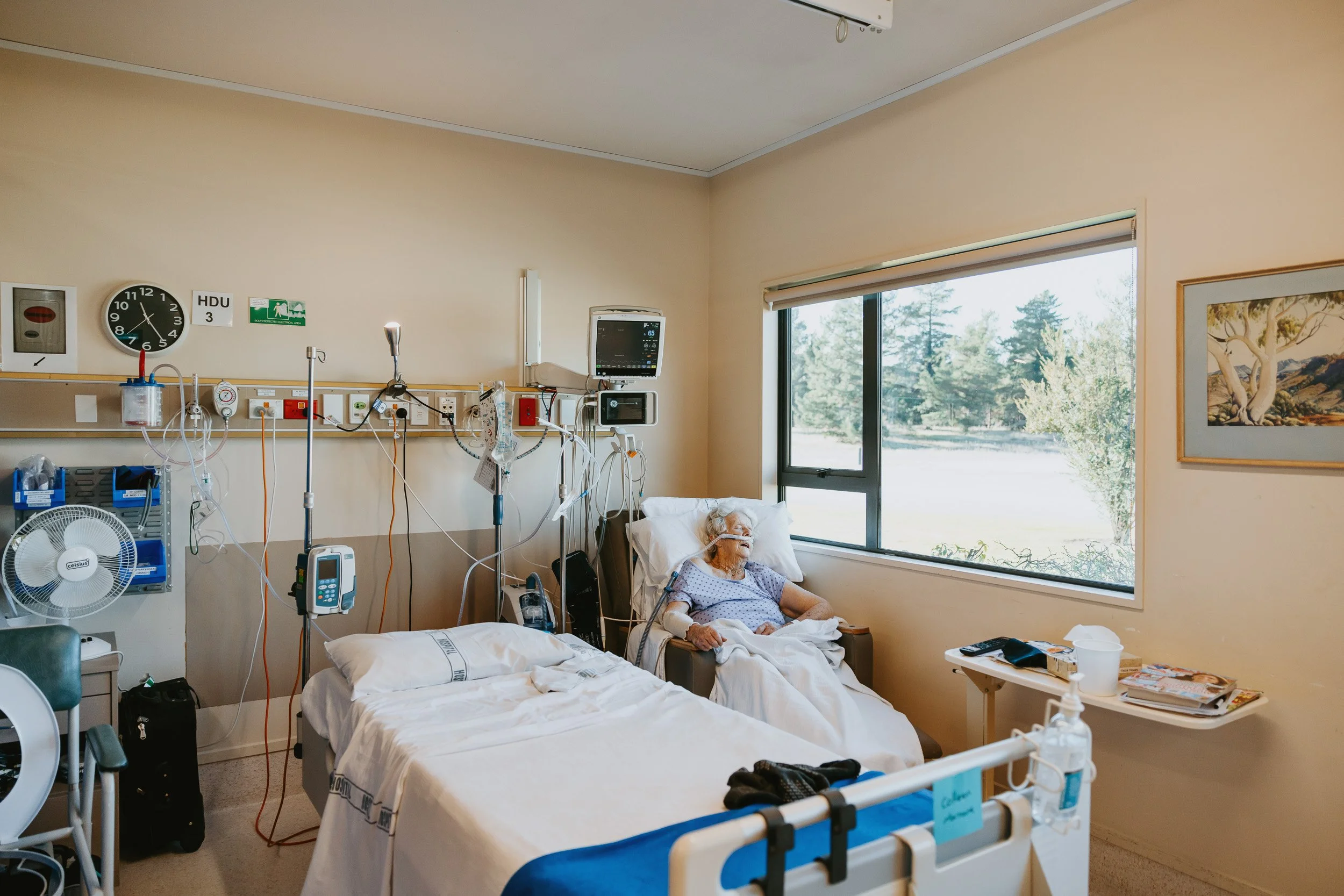
For many people living with long‑term neurological and respiratory conditions, an effective cough isn’t just important — it’s essential for staying well. Over the years, Dunstan Hospital has been incredibly fortunate to receive donated cough assist machines from generous community members. These machines have quietly played a vital role in helping people remain at home, maintain their independence, and avoid acute deterioration that can lead to hospital admission.
Our physiotherapy team also uses these devices on Vincent Ward to support recovery for acutely unwell patients (updated usage data to come). The machines help remove secretions, prevent infections, and reduce the risk of respiratory complications — all of which are even more critical in our rural setting, where long distances to specialist care create additional vulnerability.
Why We Need to Replace Them
The machines currently in circulation are ageing, no longer supported, and increasingly unreliable. Modern cough assist technology is significantly safer, more effective, and easier for families and clinicians to use. Replacement units are now urgently needed to ensure continuity of care for the patients who rely on them most.
Updated CAMs would make a measurable difference for our rural population by:
Supporting people to stay well at home for longer
Reducing avoidable hospital admissions
Enhancing comfort and quality of life at end‑of‑life stages
Providing more effective support for acutely unwell patients on Vincent Ward
Strengthening resilience across the wider rural health network
How Often We Use Them
Each year, Dunstan loans 4–6 cough assist machines to patients across our catchment. A single loan period typically lasts 2 months or longer, depending on the patient’s needs.
These machines are most commonly used for people with:
Motor Neurone Disease (MND)
End‑stage Multiple Sclerosis (MS)
Guillain–Barré Syndrome
Other neuromuscular conditions that impair the ability to cough effectively
In these situations, CAMs aren’t just helpful — they are essential tools that protect comfort, dignity, and quality of life.
Supporting the Wider Rural Region
Because Dunstan is part of a wider rural network and resources are limited region‑wide, we also share our devices with neighbouring rural communities. Our CAMs are routinely transported to:
Gore
Oamaru
Maniototo
This ensures patients across the region have timely access to critical respiratory support, even when services are stretched.
Community Impact So Far
One of our current CAMs was generously funded through local community fundraising — a powerful example of how our region looks after its own. New equipment will continue that legacy, ensuring people in Central Otago have access to the same high‑quality respiratory support found in larger centres.
Why This Is a High‑Impact Priority
Replacing our outdated cough assist machines is one of the Foundation’s priority needs for 2026. This project directly supports:
rural health equity
improved patient outcomes
reduced pressure on hospital services
greater comfort and dignity for people with progressive conditions
These machines may be small, but their impact is enormous.
Dunstan Hospital Equipment Hub
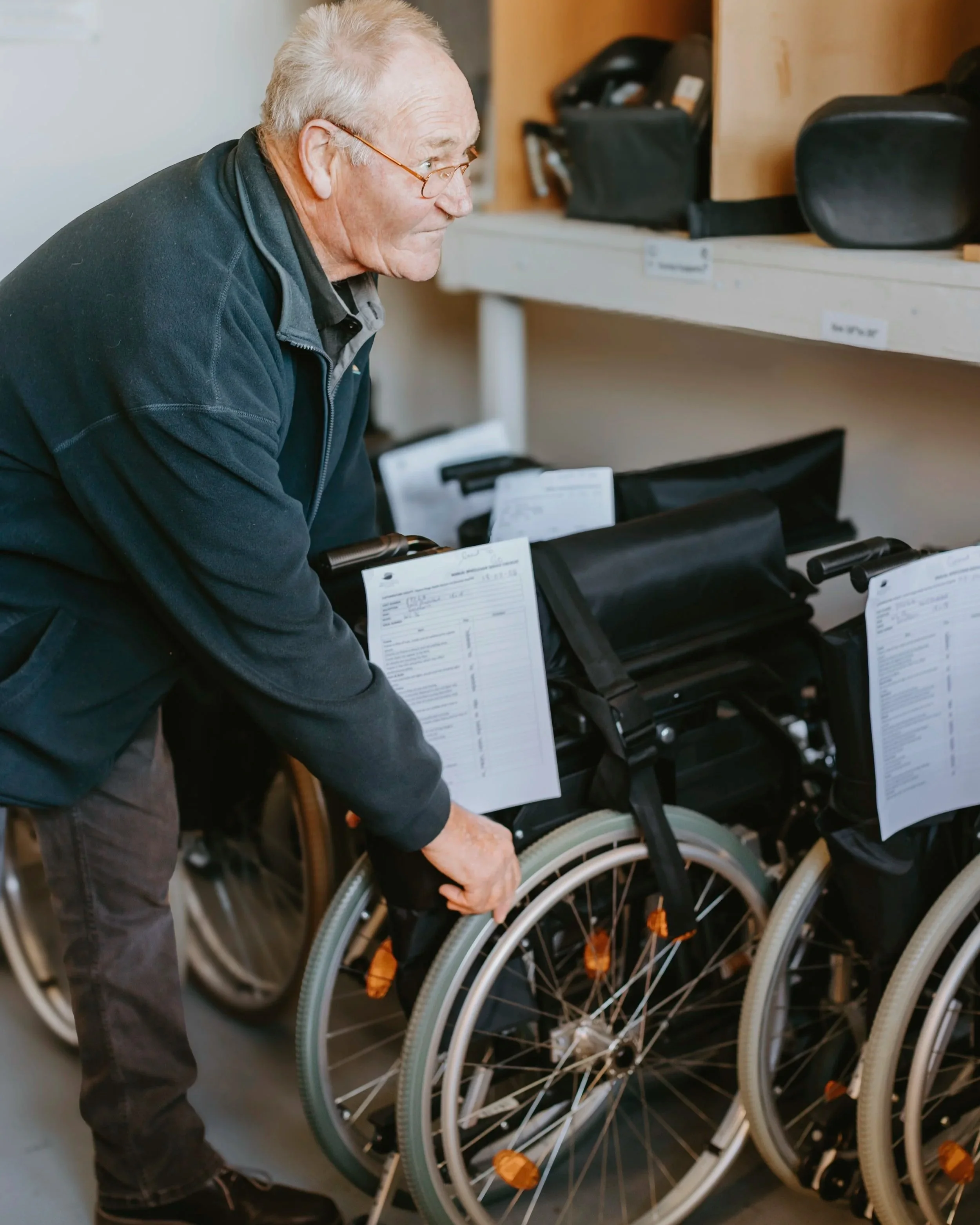
Impact on Patient Recovery
Rehabilitation and recovery depend on having the right equipment at the right time. A purpose‑built space will allow our physiotherapy and occupational therapy teams to:
Access the equipment they need without delay, improving staff efficiency.
Assess, repair, and maintain equipment more effectively, continuing to ensure items remain safe, functional, and ready for clinical use.
Process and prepare equipment rapidly for urgent patient needs — both in hospital and at home, supporting timely discharges and acute responses.
Provide comprehensive rehabilitation support with a well organised and readily available range of equipment.
Whether a patient is recovering from surgery, managing a long-term condition, or recuperating after an acute illness, timely access to equipment is often the difference between a safe discharge and extended inpatient care.
Community Voice: Why This Matters
“A dedicated storage facility for our physiotherapy and occupational therapy equipment would make a difference for our community. With a more innovative storage solution, we can improve organisation and access to rehabilitation equipment, ensuring people receive the support they need without delay.
This will not only improve the way we manage equipment for patients recovering at home and in the hospital, but also free up essential clinical space — allowing us to create more treatment rooms and work areas for staff. Ultimately, this means better access, better flow, and better outcomes for the people we serve.”
– Sarah Walker, Allied Health Director
Why This Is a High‑Impact Priority
A dedicated storage space directly supports:
Better organisation of more than 2,000 equipment items, enabling faster access, safer workflows, and more efficient maintenance and cleaning.
Freed up clinical and treatment rooms as equipment is moved out of repurposed spaces and into a purpose built facility.
Improved staff efficiency, with clinicians able to locate, prepare, and process equipment without delays.
Faster support for patients, ensuring urgent equipment needs are met quickly both in hospital and at home.
Ensures therapists having reliable access to a wide range of equipment needed for safe mobility, recovery, and independence.
This project strengthens Dunstan’s ability to provide high‑quality, personalised care to our rural community today — and prepares us to meet rising future demand.
Outpatients Infection Control Upgrade

Strengthening safety, improving workflow, and supporting growing specialist demand
Dunstan Hospital’s Outpatients Department is one of the busiest parts of our facility, providing access to more than two dozen visiting specialist clinics and a steadily expanding range of procedures. As demand continues to grow — particularly for Health New Zealand–funded services such as colonoscopy — ensuring safe, modern, and efficient infection control processes has become critical.
Over the past year, Dunstan has made incremental improvements to its equipment cleaning area, especially in support of the growing colonoscopy service. However, to keep pace with both current and future clinical requirements, a full upgrade with structural improvements is now urgently needed.
Why This Upgrade Matters
The current cleaning area in Outpatients is functional, but it does not meet the modern standards required for the volume and type of work now occurring onsite. Enhancing this space is essential to:
Improve infection control practices
Increase efficiency and workflow for staff
Ensure equipment used in patient care meets contemporary hygiene expectations
Support expanding Health NZ procedural services
Prepare the department for increased outpatient volume across the region
This upgrade directly impacts patient safety and clinical quality — two areas that underpin Dunstan’s ability to deliver hospital‑level services close to home.
Growing Demand for Local Specialist Care
Dunstan’s Outpatients Department delivers care for a wide geographic region, reducing the need for people to travel long distances to tertiary centres.
Each year, the department provides:
Over 30 different types of clinics and procedures for a broad range of health needs. We have a large number of Medical Specialists, specialist Nurses and Allied Health professionals coming here each week to provide these services.
In the 2024/25 financial year we delivered 5,887 outpatient consultations which was a 7% increase on the previous year. This continues to grow as we introduce new services.
As these services continue to expand, the pressure on equipment cleaning and infection‑control areas grows in parallel. The current space was never built for this volume of clinical activity.
Clinical Perspective
“We have worked closely with Health New Zealand over the past year to increase our colonoscopy service at Dunstan Hospital. This means more people are able to access this procedure closer to home. We have been making a number of improvements to the cleaning area we use for colonoscopies and other procedures we do in Outpatients.
We are now wanting to upgrade further with some structural work on the facility to improve the workflow and infection control processes.”
– Cath Haig, People and Specialist Services Director
Cath’s perspective reflects what staff see every day: high demand, tight space, and the need for effective infection control as the foundation of safe care.
What the Upgrade Will Enable
A modernised equipment cleaning facility will support:
Improved sterility and cleaning standards for procedure equipment
Optimised layout that reduces cross‑contamination and supports safe workflows
Faster turnaround times, enabling more procedures to be completed each day
Better resilience as demand for local specialist services continues to grow
A safer environment for both patients and staff
This project is not just an improvement to a room — it is an investment in safety, capacity, and the continued delivery of high‑quality outpatient care close to home.
Why This Is a High‑Impact Priority
This upgrade strengthens Dunstan Hospital’s ability to:
deliver more specialist services locally
reduce waiting times
minimise travel for rural patients
maintain the highest infection‑control standards
support safe expansion of Health NZ–funded procedures
Improving this critical part of our hospital will directly benefit thousands of people every year.
Chemotherapy Treatment Chairs

Enhancing comfort, safety, and dignity for patients receiving life‑saving treatment close to home
For people undergoing chemotherapy or infusion treatment, comfort and safety during long, often physically challenging sessions make an enormous difference. At Dunstan Hospital, our chemotherapy chairs are not just pieces of equipment — they are where patients spend hours receiving the care that sustains them through some of the toughest moments of their health journey.
Thanks to the generosity of our community, Dunstan has been able to replace four chemotherapy chairs in recent years. These new chairs have transformed the patient experience, offering improved support, better adjustability, and enhanced comfort during treatment.
Why More Chairs Are Needed Now
With the ongoing expansion of services and the redevelopment of Dunstan’s new Oncology & Infusion Day Unit — one of the Foundation’s major capital projects — demand for modern chemotherapy chairs is increasing rapidly.
The new unit has been designed to provide:
more treatment capacity
a safer and more private environment
purpose‑built spaces for patients, families, and staff
the infrastructure needed to accommodate growing regional demand
As the unit grows, additional chairs are essential to ensure each treatment bay is fully equipped to meet patient needs.
Clinical Perspective
“We have been very fortunate to have replaced 4 chemotherapy chairs in the last couple of years from a generous donation and are now needing some more.
Our patients love the additional comfort and functionality of these chairs that make treatment easier to manage. The staff are able to access the patient more easily and work with them in a more functional way, supporting good ergonomic safety for our team.”
– Cath Haig, People and Specialist Services Director
Cath’s comments reflect what both staff and patients have experienced firsthand: modern chairs significantly improve the quality of care and the delivery of each infusion.
Growing Treatment Demand
Dunstan provides chemotherapy and infusion services for patients across Central Otago, reducing the need for lengthy travel to Dunedin or Invercargill for treatment.
Each year, our team delivers:
Over 1,900 local cancer and non-cancer infusion treatments every year
Care for patients from across the Wakatipu Basin, Upper Clutha, Teviot Valley, Maniototo, Clyde, Alexandra, Cromwell, and surrounding communities
As demand increases, the number of treatment bays — and therefore the number of chairs — must grow alongside the service.
Why These Chairs Matter
New chemotherapy chairs will directly support:
patient comfort during lengthy and physically taxing treatments
clinical safety, allowing nurses better positioning and safer workflows
infection‑control standards, with materials designed for medical environments
service expansion, enabling the new unit to operate at full capacity
a sense of dignity, helping patients feel cared for in a challenging time
These chairs are a small but essential part of the larger transformation of Dunstan’s oncology and infusion services.
Why This Is a High‑Impact Priority
This need supports the Foundation’s core commitments to:
high‑quality cancer care close to home
modern, purpose‑built treatment environments
safe, comfortable, patient‑centred care
supporting our region through times of vulnerability
Every chair represents a patient — a neighbour, a friend, a family member — receiving the care they need right here in their own community.